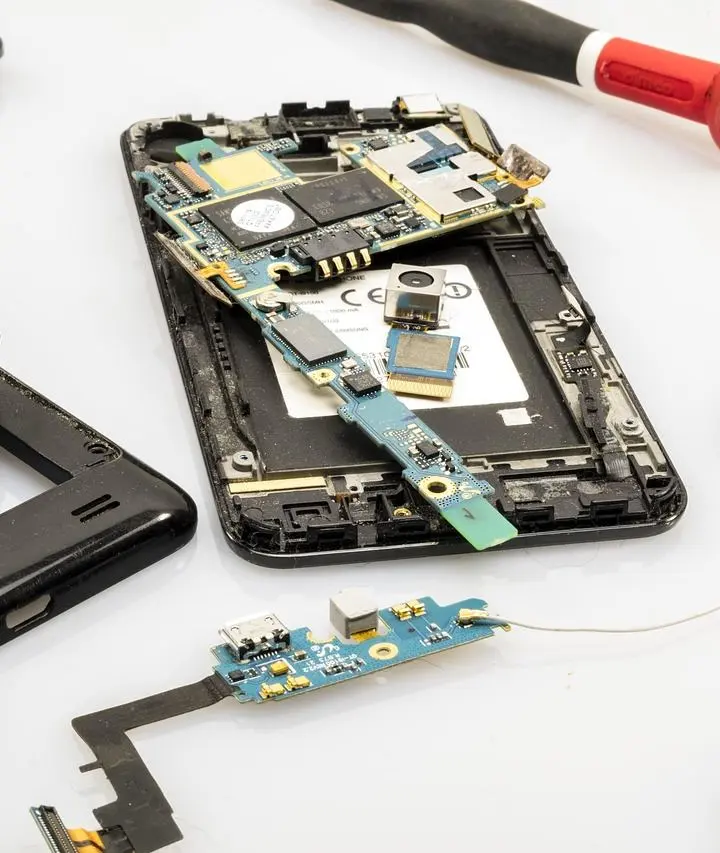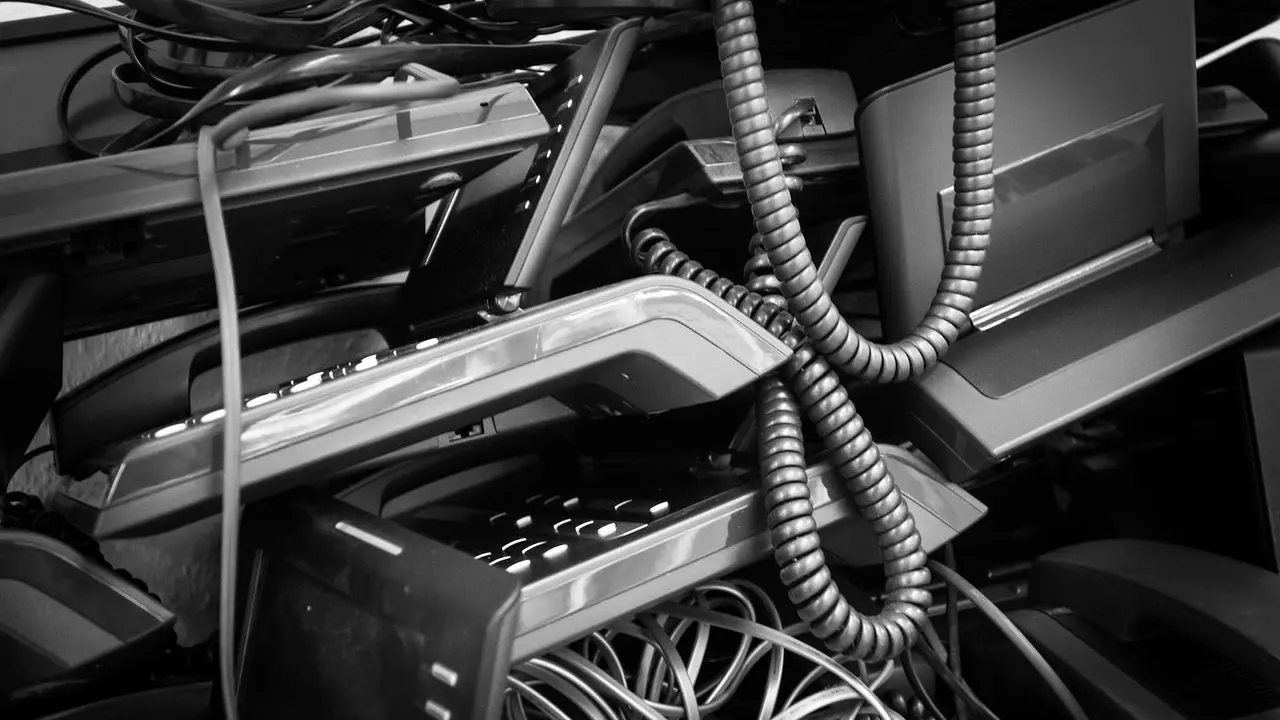
Wondering how to recycle old electronics without risking your data or the planet? Wipe the device, then drop it at a recycler certified under the R2 or e-Stewards standard instead of putting it in the bin.
This guide sits alongside the consumer electronics industry overview, which covers the wider market.
| Item | Value |
|---|---|
| Electronic waste produced worldwide, 2022 | 62 million metric tons |
| Share collected for proper recycling, 2022 | About 22 percent |
| Typical per-item fee to recycle a TV or flatscreen display | $10-$30-ish |
| Best Buy household drop-off limit | Up to three items per household per day |
| Staples Rewards recycling credit | $5, limited to once per calendar month |
These figures come from Checkbook’s guide, last updated October 2024, and an Earth911 guide from March 2023. Fees, limits and credits can change, so check the source or the retailer before you rely on them.
Why recycle old electronics instead of binning them?
Old devices contain a hazardous mix of materials. Checkbook’s guide lists lead, mercury, lithium and cadmium among them, and warns that they can pollute the earth or harm people if handled badly.
Your regular collection is not the answer either.
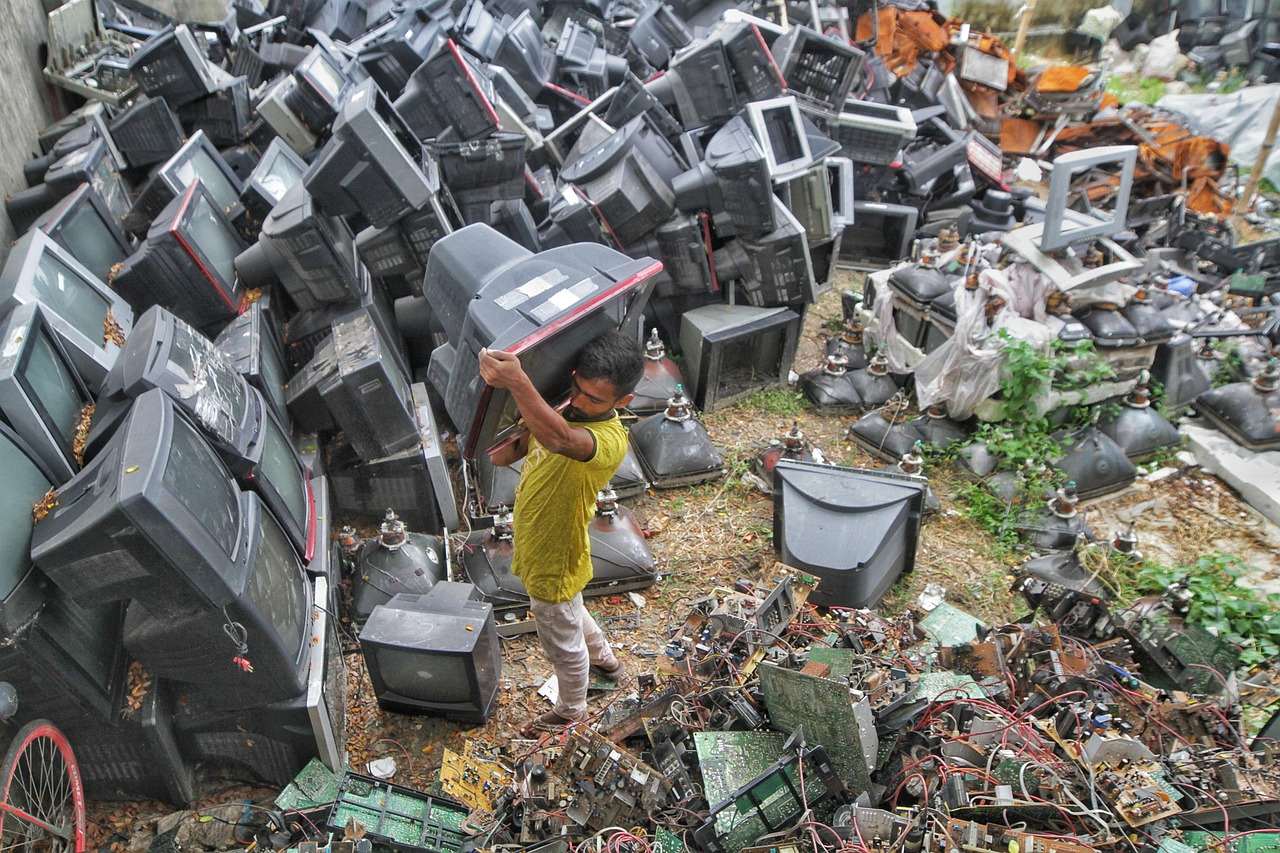
The collection gap is large. Checkbook cites the Global E-waste Monitor: in 2022 only about 22 percent of the 62 million metric tons of electronic waste produced worldwide was collected for proper recycling. Put simply, most of the world’s e-waste never reaches a proper recycler.
Recycling is worth doing because proper processing recovers valuable metals such as gold, silver, palladium and platinum, according to Digital Trends. Those metals can then be reused without new mining.
Prepare a phone for recycling step by step
Preparation takes a little time, and the order matters. The steps below follow the Digital Trends guide.
- Wipe the phone. The guide’s reasoning is simple: there is no sense in letting personal data leak just because you are trying to save the planet.
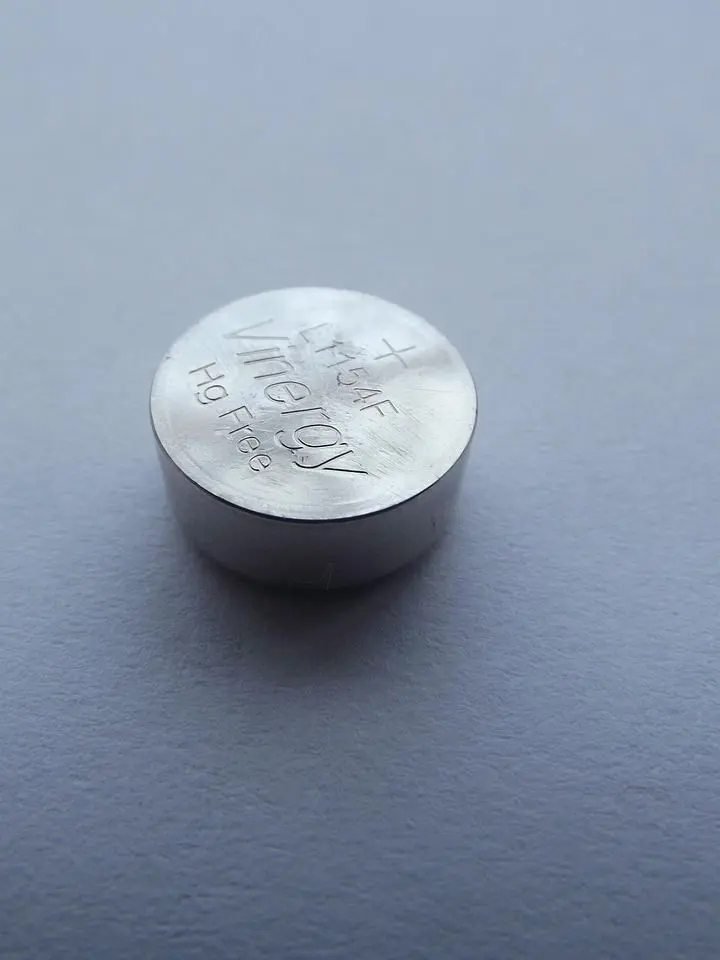
- Remove the extras. Take out memory cards, SIM cards, cases and batteries if you can. If the battery is removable, put tape over the contacts to avoid creating a circuit in transport.
- Find a drop-off point. Call2Recycle is described as a great resource for finding drop-off locations, and the guide suggests choosing recyclers with R2, RIOS or e-Stewards certification.
- Drop it off or ship it. Take the phone or tablet to the location you picked, or pack it for mailing if the program offers that.
What R2 and e-Stewards certification mean
The EPA encourages all electronics recyclers to be certified by an accredited, independent third-party auditor. As of the EPA page last updated July 31, 2026, two accredited certification standards exist: R2 (Responsible Recycling) and e-Stewards. The EPA’s certified recycler page says both programs:
- offer a way to assess the environmental, worker health and security practices of entities managing used electronics;
- are based on strong environmental standards that maximize reuse and recycling;
- require destruction of all data on used electronics.
The ANSI-ASQ National Accreditation Board (ANAB) accredits certifying bodies in the United States, per the same EPA page. Earth911 adds that these programs prohibit exporting e-waste to low-income countries, so a certified recycler is your best protection against dumping.
The two are not identical. Checkbook says the requirements for e-Stewards are more stringent than those for R2, most notably on preventing export of hazardous electronic waste to developing countries.
Where to drop off, mail in or hand over devices
The EPA says households with smaller amounts of used electronics can find collection programs that use certified recyclers. It lists Call2Recycle, which it says accepts cell phones and rechargeable and single-use batteries, and adds that it does not endorse any of the listed entities or their services.
Beyond that, you have several practical routes:
- Retail chains. Earth911 notes that many stores, particularly chains that sell consumer electronics such as Best Buy and Staples, offer e-cycling.
- Charity partnerships. Through a partnership with Dell ReConnect, Goodwill accepts computers and other electronics at over 2,000 locations across the U.S., according to Earth911.
- Waste haulers. Checkbook says e-waste collected by Waste Management and Republic Services, the two largest waste haulers in the U.S., is handled by an e-Stewards certified recycler.
- Manufacturer programs. Many vendors offer mail-back options, although you provide the packaging.
Check the rules before you travel. Earth911 warns that some locations accept only a limited number of items per visit, and Best Buy’s household limit was up to three items per household per day when that guide was written.
Does recycling cost money?
Usually not, with one big exception. Earth911 says you shouldn’t have to pay to recycle computers and smartphones, but for flatscreen and CRT displays and TVs you can expect a modest per-item fee of $10-$30-ish because they need special handling.
Some stores and most manufacturers offer trade-in credit toward a new phone. The same guide says Staples Rewards members can receive a $5 credit for recycling eligible technology, limited to once per calendar month.
Credits like these are one way retailers keep customers coming back. If you want the business side, the piece on electronics retail margins explains how stores earn money on electronics.
Repair, resell or trade in first
The most effective way to cut the footprint of your digital life is to make devices last. Earth911 says so directly, and it adds that 72% of a phone’s CO2 bill comes from refining raw materials, manufacturing and shipping.
If a device still works, repair it, sell it, trade it in or give it away before you recycle it. If it is faulty and might still be covered, read how electronics warranty works before you send it off, because a repair claim may be possible.
Frequently asked questions
Do I still need to wipe my phone if the recycler is certified?
Show answer
Yes. The EPA says certified programs require destruction of all data on used electronics, but Digital Trends still lists wiping the phone as the first step. Doing it yourself means your data never depends on someone else’s process.
Can I put old electronics in my household trash?
Show answer
Often you can’t. Digital Trends says local trash collection is unlikely to accept e-waste, and Earth911 says it is illegal in many states and localities. Check your local rules and use a collection point instead.
Is R2 or e-Stewards the better choice?
Show answer
The EPA recognizes both, as of its page last updated July 31, 2026. Checkbook says e-Stewards has more stringent requirements, especially on preventing exports of hazardous waste to developing countries.
What should I do with the battery?
Show answer
If it is removable, take it out and put tape over the contacts to avoid creating a circuit in transport, as Digital Trends advises. The EPA says Call2Recycle accepts rechargeable and single-use batteries as well as cell phones.