Dropped your phone one too many times? Learning how to choose a phone case comes down to three checks: a material that suits your habits, drop protection you can verify, and a fit that matches your exact model.
If you are comparing other accessories too, the consumer electronics guide puts phone cases in context with chargers and power gear.
| Item | Value |
|---|---|
| MIL-STD-810 | U.S. Department of Defense testing standard |
| Drop heights cited for MIL-STD-810G/H cases | 4-6 feet onto concrete |
| Case thickness for wireless charging | Cases under 3mm typically work |
| One brand’s stated test height | 6-foot drops |
| One brand’s stated drop count per case design | 50 drops |
| Raised screen edge on that brand’s cases | About 1mm |
These figures come from Shamo’s buying guide and Smartish’s drop-test article. Both are case sellers, and figures can change, so check the source before you rely on them.
Which phone case material suits you?
The material decides how a case feels, how it absorbs a knock and how bulky it gets. Shamo’s guide breaks down four common types:
- TPU: a flexible polymer that combines properties of plastic and rubber. The guide rates its impact absorption as excellent because it compresses on impact.
- Polycarbonate (PC): a rigid thermoplastic. Its hard surface resists scratches, and it suits slim or clear designs.
- Silicone: a synthetic rubber with a naturally tacky surface that helps the phone stay in your hand.
- Hybrid (TPU + PC): a rigid outer shell over a flexible inner layer, where the PC shell distributes force and the TPU absorbs shock.
In short, soft materials cushion and grip, while hard ones resist scratches and keep the case slim. Hybrids try to give you both, usually at the cost of extra thickness.

What does a drop rating really tell you?
Most “tough” cases lean on the MIL-STD-810 label. According to Shamo’s guide, it is a U.S. Department of Defense testing standard, and cases with MIL-STD-810G/H certification have passed drop tests from heights of 4-6 feet onto concrete surfaces.
That is a seller’s description, and the label alone says little. Smartish points out that MIL-STD-810G is a real military testing standard, but it does not automatically mean “military-grade protection”. It calls the standard a framework, so what matters is how rigorously it is applied and documented.
Brands also state their own numbers. One maker’s tech-specs page lists MIL-STD-810G and describes its case as 10 foot drop tested (3m). Smartish says its testing uses concrete surfaces, 6-foot heights, and 50 drops per case design.
Height is only one variable. Torras’s drop-rating guide even devotes a section to why drop height tells only part of the story.
Use these points to judge any claim:
- Look for specific numbers: height, surface and drop count.
- Prefer third-party certifications and actual test footage.
- Treat vague lines such as “tested to withstand drops” as red flags, as Smartish advises.
Fit, charging and camera checks
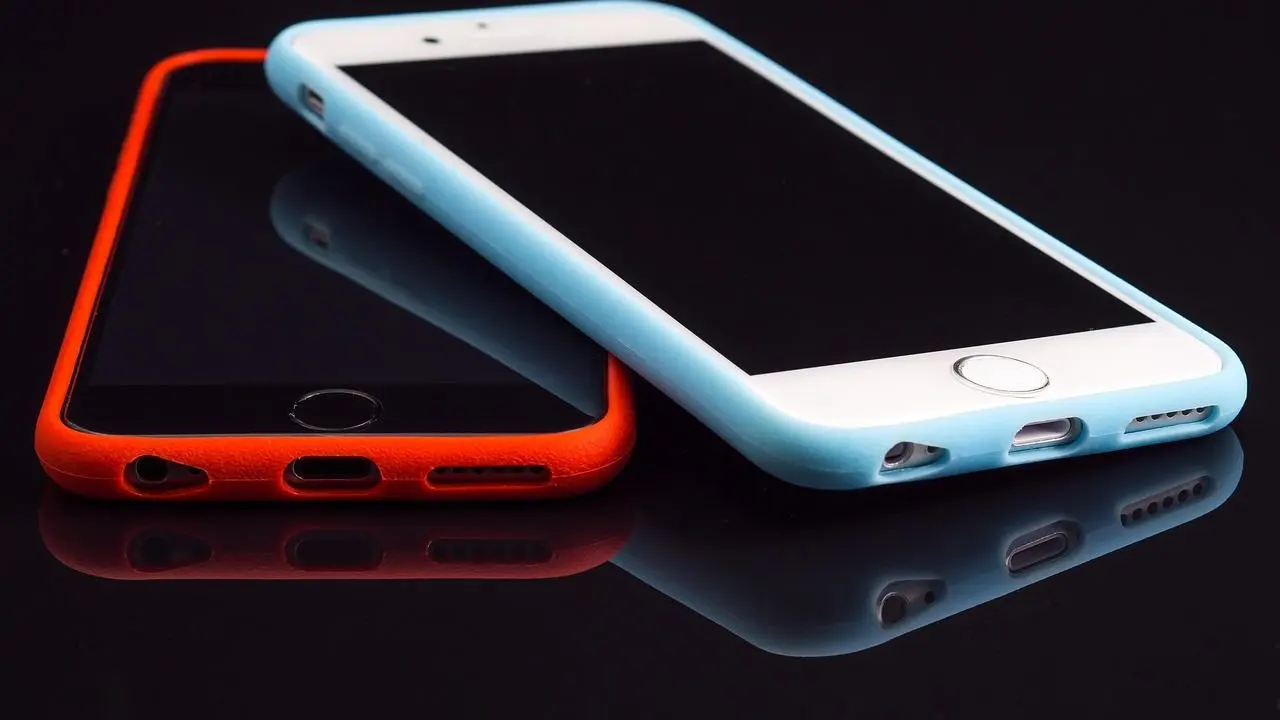
A case that protects well but fits badly is a poor buy. Start by confirming the exact model you own, since cutouts for buttons, ports and cameras differ between phones.
For wireless charging, Shamo’s guide says cases under 3mm thick typically work without issues. It also says MagSafe-compatible cases have built-in magnetic rings made for iPhone 12 and newer models.
Do not assume every magnetic case works with every magnetic accessory. The Raptic spec page for its iPhone 13 case lists MagSafe charging as compatible but says it is not compatible with MagSafe accessories like wallets or car mounts.
Camera protection matters too. Smartish argues that a raised camera bump needs a corresponding raised camera ring on the case, or lens scratches become inevitable when the phone lies face-down. It also says raised screen edges of about 1mm help with face-down impacts.
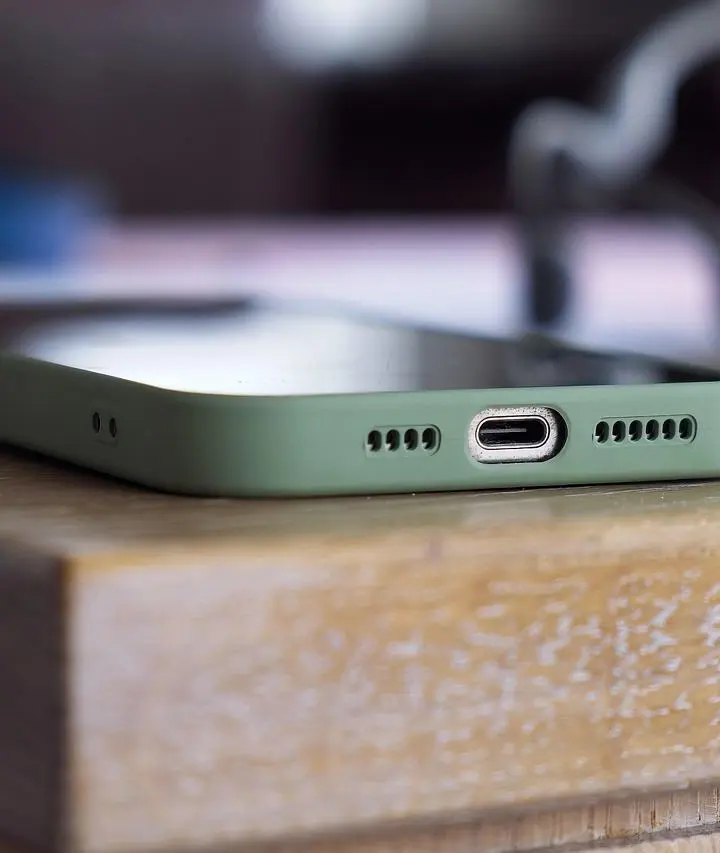
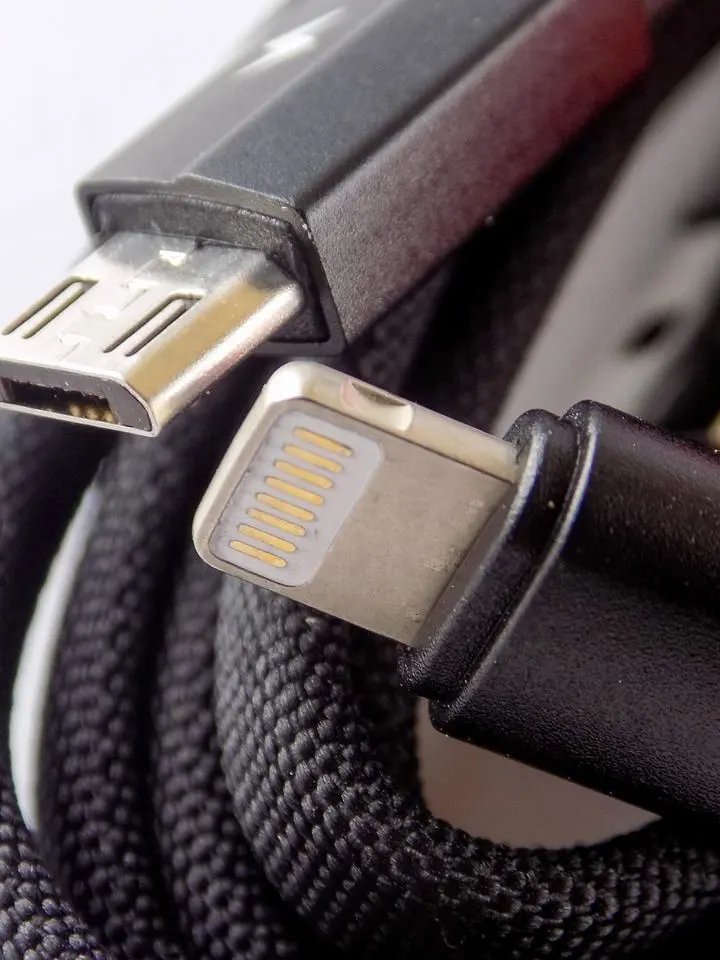
Ports are the last check. Whichever connector your phone uses, make sure the cutout is not cramped, and if you are unsure which standard is which, usb-c vs lightning explains the difference.
Matching a case to your habits
Decide what you need most, then let that pick the material. This pairing follows the decision table in Shamo’s guide:
- Maximum protection: a hybrid of TPU and PC.
- Slim profile: polycarbonate, which the guide describes as thin yet protective.
- Best grip: silicone or TPU.
- Clear look: TPU or PC.
- Wireless charging: any case under 3mm.
If you often work outdoors, commute on stairs and platforms, or juggle bags, lean toward the protective end. If your phone mostly lives in a desk or a pocket, a slim case may be enough. Either way, a case you are happy to keep on is better than a heavy one that stays in a drawer.
Travelling with a battery pack as well? Check how many mah power bank do i need before you size one up, since a thick case and a magnetic pack can change how everything carries.
A short checklist before you buy
- Confirm your exact phone model and the case listing for it.
- Choose a material from your main priority: protection, slimness, grip or clarity.
- Read the drop claim for height, surface and drop count, not just a badge.
- Check the camera ring, screen edge and button and port cutouts.
- Confirm wireless charging and MagSafe needs, including accessories.
- After any hard drop, test the buttons, camera and screen response.
The last step comes from Smartish, which advises checking for loose buttons, camera misalignment or screen responsiveness issues after any significant drop, even with a great case.
Frequently asked questions
Does “military grade” mean a case is indestructible?
Show answer
No. Smartish says MIL-STD-810G does not automatically mean military-grade protection, and that rigour and documentation are what count.
Will a case stop my phone charging wirelessly?
Show answer
Often not. Shamo’s guide says cases under 3mm thick typically work without issues, but check the listing for your model.
Which material is best for grip?
Show answer
The same guide points to silicone or TPU, describing silicone’s naturally tacky surface as excellent for grip.
How do I judge a drop-test claim?
Show answer
Look for specific numbers such as height, surface and drop count, plus third-party certifications and test footage, as Smartish suggests.
Do MagSafe cases fit older phones?
Show answer
According to Shamo’s guide, MagSafe-compatible cases have built-in magnetic rings that align with iPhone 12 and newer models.