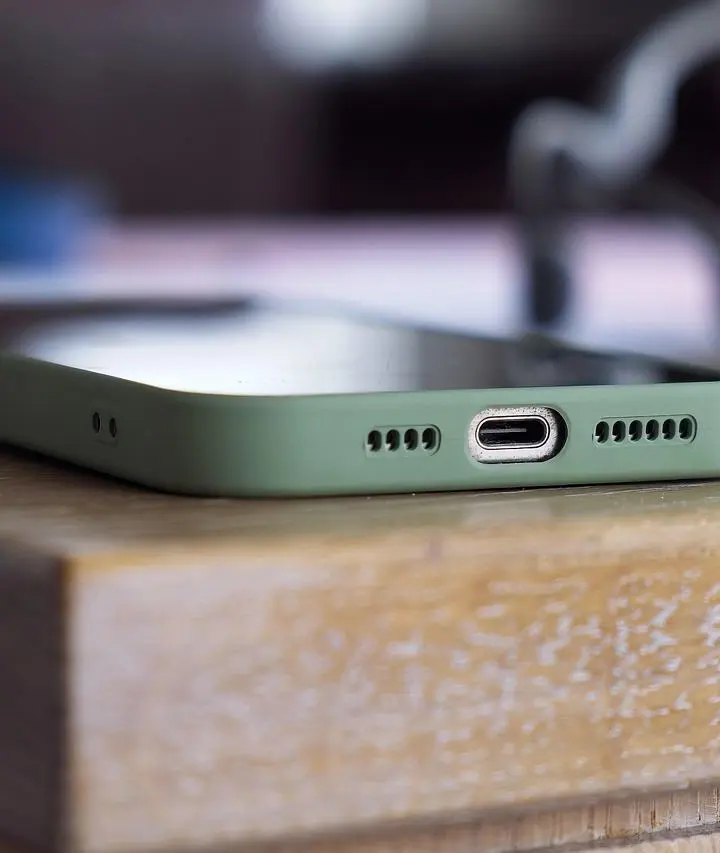
Too many chargers, cases and cables to sort out? This consumer electronics guide gives you the short answer: buy for USB-C, check the power rating, and match every accessory to your exact device.
| Item | Value |
|---|---|
| USB-C port required on EU-sold phones, tablets, headphones and more | From 28 December 2024 |
| Laptops added to the USB-C rule | From 28 April 2026 |
| USB Power Delivery required | When charging is higher than 15 W |
| High-power laptop exception | Above 240 W, if USB-C charging up to 240 W is also supported |
| Estimated yearly consumer saving from charger unbundling | €250 million |
| Estimated yearly e-waste cut from unbundling | 980 tonnes |
The figures come from GSMArena’s December 2022 report and Altium’s July 2026 article. Rules and estimates can change, so check the sources before you rely on them.
What counts as consumer electronics and mobile accessories?
Consumer electronics are the devices you buy for personal use, and mobile accessories are the add-ons that protect, power or connect them. That runs from a phone to the cable in your bag.
The EU’s common charger rules give a sourced picture of what sits in this category. According to GSMArena’s December 2022 report, the devices that must have a USB Type-C port include:
- phones and tablets
- cameras
- headphones, earbuds and headsets
- handheld videogame consoles
- portable speakers
- e-readers
- keyboards and mice
- portable navigation systems
The mobile accessories guide looks at the add-ons in more detail. For the market side, the consumer electronics industry overview gives the wider picture.
The EU USB-C rule in plain English
The rule is Directive (EU) 2022/2380, which GSMArena reported as published in the EU’s Official Journal in December 2022. Starting on December 28, 2024, the devices listed above had to have a USB Type-C port to be sold in the EU, as that report explains.
If a device charges at more than 15 W, it must also support USB Power Delivery, per the same report. The directive covers wired charging only, so it says nothing about wireless charging.
Laptops came later. Altium’s July 2026 article says they were added on April 28, 2026, which completed the initial phase-in of the rules.

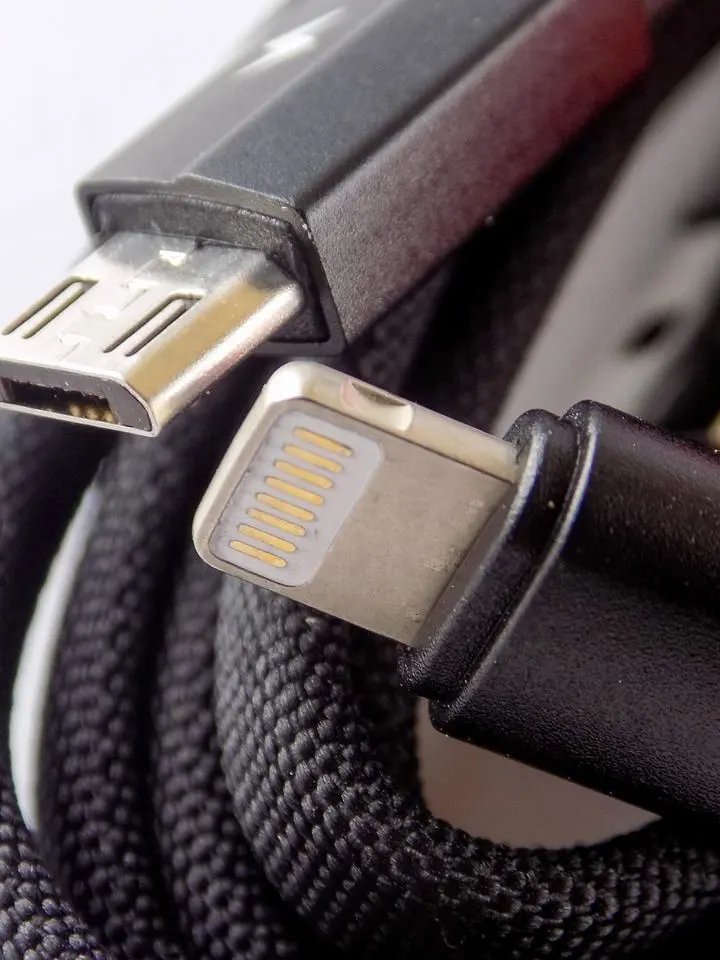
If you own older gadgets, the usb-c vs lightning comparison explains the differences between the two connectors. It helps you decide which cables are worth keeping.
Chargers, cables and power numbers
Start with the wattage, because it decides what charger and cable you need. A device that charges above 15 W has to support USB Power Delivery, according to GSMArena.
High-power laptops are the exception. As of Altium’s July 2026 article, devices drawing more than 240 W can keep proprietary high-power connectors, but they must also support USB-C charging up to 240 W, as Altium explains.
Cables now come in two certified tiers, according to the same Altium article:
- A 60 W cable, which requires no eMarker.
- A 240 W cable, which requires an EPR-certified eMarker.
- The 100 W category, which USB-IF discontinued in December 2021.
In practice, check the rating printed on a cable or its listing before you pair it with a laptop charger. A cable that is fine for a phone may not suit a laptop.

Boxes are changing too. Altium says the rules require makers that bundle a charger to also offer the device without one, and the European Commission estimates this saves consumers €250 million yearly and cuts e-waste by 980 tonnes annually (Altium, July 2026).
Because the directive covers wired charging only, wireless is a separate decision. The wireless charging vs wired charging guide compares the two.
Everyday accessories: cases, screen protectors and power banks
Accessories do the quiet work of keeping a device usable. Match each one to your exact model before you look at anything else.
For protection, the guide on how to choose a phone case covers fit and cut-outs. Screens are a separate choice, and the tempered glass vs film screen protector comparison lays out the trade-offs.
For power on the go, the guide on how to choose a power bank covers the features that matter. The one on how many mah power bank do i need helps you size the capacity.
A short checklist before you buy any accessory:
- Confirm it lists your exact device model.
- Check the connector type, and prefer USB-C for anything you charge.
- Compare its power output with what your device accepts.
- Look for the charging-capability label on a charger’s listing.
That last point comes from the EU rules. Altium says the directive requires a charging-capability label on packaging and in online product listings near the price, as described in its July 2026 article.
Headphones, port care and what is coming next
Headphones and earbuds are on the EU’s USB Type-C list, per GSMArena’s December 2022 report. The guide on how to choose bluetooth headphones covers fit, battery and connection.
If a cable no longer seats or charges reliably, check the port before you replace the cable. The guide on how to clean phone charging port shows safe steps.
More change is on the way for chargers. As of heise’s October 2025 report, the European Commission had revised the Ecodesign requirements for external power supplies. From 2028, USB chargers on the EU market must have at least one USB Type-C port and work with detachable cables, and the Commission says over 400 million power supplies are sold annually (heise).

The same heise report says the Commission expects annual savings of around 3 percent of energy use over the lifecycle of external chargers by 2035. Standardised chargers will carry an “EU-Common Charger” logo, and their maximum power will be easy to spot (heise).
Phones are covered by separate rules. Heise reports that since June 20, 2025, smartphones and tablets must carry an energy label covering lifespan, robustness, battery efficiency and repairability. Makers must provide updates for five years after the end of sales and keep spare parts available for up to seven years.
Frequently asked questions
Do I need USB Power Delivery?
Show answer
It depends on the charging speed. GSMArena’s December 2022 report says devices charging higher than 15 W must incorporate USB Power Delivery. Check your device’s rating to see where it falls.
Does the EU charger rule cover wireless charging?
Show answer
No. Altium’s article of July 20, 2026 adds that upcoming EU regulations will target cables and wireless charging (Altium).
Can a laptop keep its own charging connector?
Show answer
Only in the high-power case. Altium says devices drawing more than 240 W can retain proprietary high-power connectors but must also support USB-C charging up to 240 W (Altium, July 2026).
How long should a phone get updates in the EU?
Show answer
As of heise’s October 2025 report, makers must provide operating system and security updates for five years after the end of sales. They must also keep spare parts available for up to seven years (heise).