Worried a cracked screen is one drop away? In the tempered glass vs film screen protector choice, pick glass for flat screens and a bare-glass feel, and TPU film for curved or foldable displays.
If you are comparing several accessories at once, the consumer electronics guide puts this choice in wider context.
| Item | Value |
|---|---|
| Tempered glass protector thickness | 0.2 mm to 0.5 mm |
| Tempered glass hardness rating | 9H (pencil hardness scale) |
| PET film hardness | Around 3H |
| PET film thickness | 0.1-0.2 mm |
| TPU elongation at break | 400-700% |
| Typical glass coating life | 6-12 months |
These figures come from the Benks screen protector guide and the Alibaba.com ElectronicsHub raw-materials guide. Products and test methods differ and the figures can change, so check the source before you rely on them.
What tempered glass, PET and TPU protectors are made of
A tempered glass protector is made by heating glass to a high temperature and then cooling it rapidly, which builds internal tension, according to DODOcase’s comparison. A typical one is layered: a silicone adhesive at the bottom, a thin PET layer, the glass, and an oleophobic coating on top to repel fingerprint oils.
“Film” is not one material. It usually means one of two plastics:
- PET film: a rigid, very thin polyester sheet, cheap to make and often sold in multi-packs for budget buyers.
- TPU film: a flexible, rubbery plastic that absorbs impacts without cracking and can stretch to follow a curve.
A third option, liquid nano coating, behaves differently again. One buying guide notes that it adds no thickness and no impact resistance and only prevents fine scratches, which is why it suits wearables and odd shapes more than a phone you drop often (Alibaba.com ElectronicsHub).
Which protects better against drops and scratches?
For drops, tempered glass has the edge. It is designed to crack sacrificially, so the protector takes the force that would otherwise reach the display, a point made in the DODOcase guide.
PET film offers only minimal impact protection. TPU absorbs impacts better and self-heals light scuffs and fingernail marks over time, but it is softer and picks up micro-scratches that gradually cloud the view.
Scratch claims need a closer look. The “9H” label comes from a pencil hardness test (ASTM D3363), not the Mohs mineral scale many buyers assume, and quartz dust, rated 7 on the Mohs scale, can still scratch a 9H protector, as the Alibaba.com Seller Blog explains. Keys and coins are the everyday threats glass handles well; sand and grit are not.
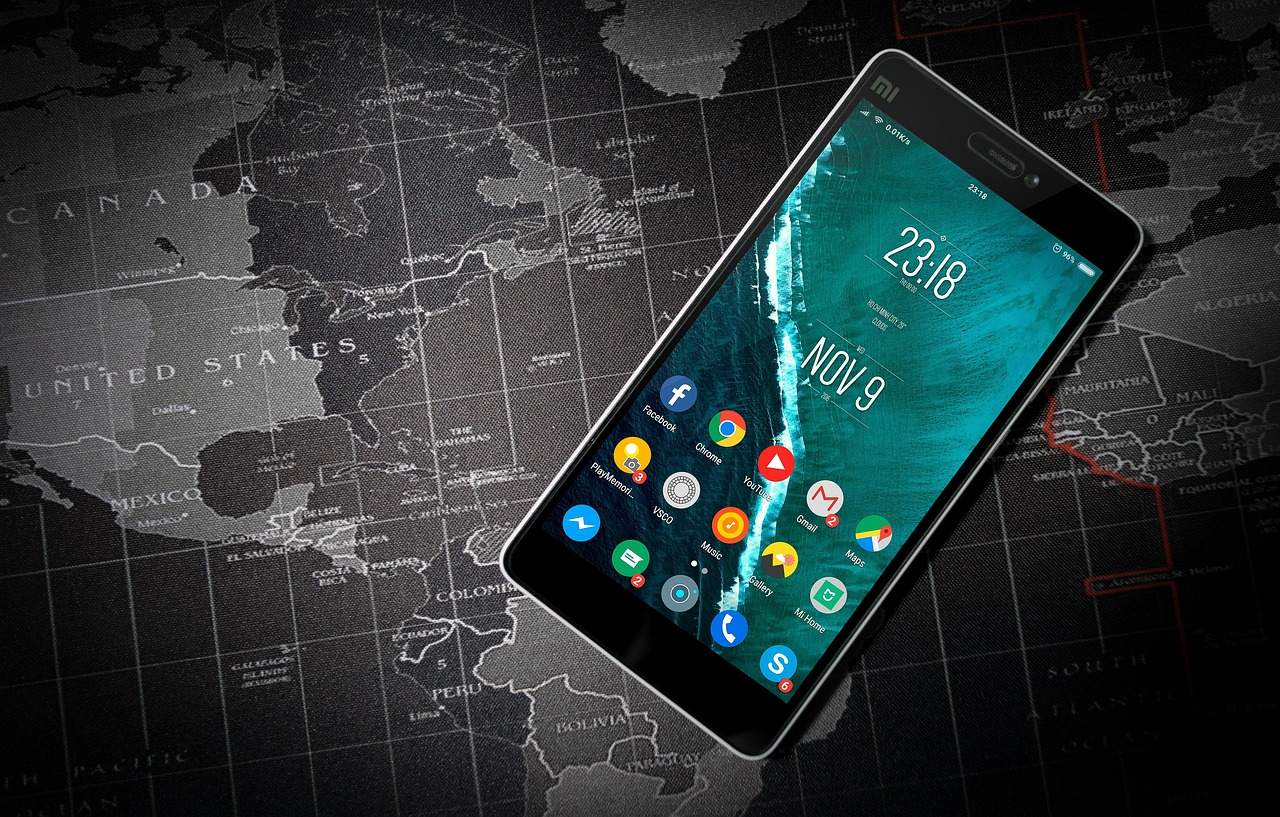
Touch feel, clarity and fingerprint sensors
Glass keeps the screen’s native clarity and a smooth, low-friction glide. TPU can feel slightly rubbery and may add minor haze under bright light, per the DODOcase comparison.
If your phone has an under-display fingerprint sensor, protector thickness and material can change unlock reliability. The Alibaba.com Seller Blog says this is a frequent source of negative reviews and returns, and that thicker glass may interfere with some sensors. Test unlocking right after you fit the protector.
Coatings matter too. According to Benks, the oleophobic coating on PET film degrades faster than on glass, so fingerprint smearing becomes more visible within a few months.
What if your screen is curved or foldable?
Curved edges are where glass struggles. Rigid glass often fails to adhere to a curved edge and leaves a halo effect, while flexible TPU conforms to the curve (DODOcase). On foldables, rigid glass would crack at the flex point, so TPU is the usual choice (Benks).
The Alibaba.com ElectronicsHub guide offers a simple checklist before you buy:
- Hold the edge of a credit card against the screen edge. If it rocks or does not sit flush, avoid full-sheet tempered glass.
- Ask whether you carry keys or coins loose in the same pocket. Tempered glass chips easily, while TPU absorbs contact.
- Think about how often you will replace it, because cheap PET suits short-term use better than a long-term fit.
How long do they last, and what goes wrong?
Each type fails in its own way, which is worth knowing before you spend money.
| Type | Typical weakness | Best for |
|---|---|---|
| Tempered glass | Edge chips and cracks | Flat or gently curved phones |
| PET film | Scratches, yellowing, lifting edges | Budget or secondary devices |
| TPU film | Softer surface, slight rubbery feel | Curved screens and foldables |
Glass coatings typically last 6-12 months, and TPU coatings wear faster because the surface is softer (Alibaba.com ElectronicsHub). The same guide says PET yellows and lifts faster than the alternatives.
Glass that cracks has done its job, but it can leave sharp edges and reduced touch sensitivity. MediaDevil says many people go through two or three per year, especially on phones with curved edges where adhesion is weakest.
A simple way to choose
Match the protector to your phone and habits rather than to a spec sheet. The shortlist below covers most cases:
- Flat or gently curved phone, keys in your pocket: tempered glass.
- Curved edges or a foldable: TPU film.
- Tight budget or a spare device: PET film, knowing it will wear faster.
- Not sure: start with tempered glass unless your device demands flexibility, as the Alibaba.com ElectronicsHub guide suggests.
Fitting matters as much as the material. Dust particles cause bubbles under glass, so apply it in a clean spot (Alibaba.com Seller Blog). If lint around the port is also bothering you, read how to clean phone charging port before you start.
While you are upgrading your gear, you may also want to see how to choose bluetooth headphones for the other thing you carry everywhere.
Frequently asked questions
Is tempered glass always better than film?
Show answer
No. Glass gives the best feel and drop protection on flat screens, but TPU film fits curved and foldable displays that rigid glass cannot follow, per Benks.
Does a 9H rating mean my protector cannot scratch?
Show answer
No. The rating comes from a pencil hardness test, and quartz dust, which is 7 on the Mohs scale, can still scratch a 9H protector, according to the Alibaba.com Seller Blog.
Can a screen protector affect my fingerprint unlock?
Show answer
Yes, on phones with under-display sensors, thickness and material can affect reliability. Test unlocking right after fitting, as the Alibaba.com Seller Blog notes this is a common cause of complaints.
Does plastic film protect against drops?
Show answer
PET film offers only minimal impact protection, per Benks. TPU absorbs impacts without cracking, but glass is still the stronger choice for drops.
Should I replace a cracked glass protector?
Show answer
Yes. Glass is designed to crack sacrificially, but a cracked one can leave sharp edges and reduced touch sensitivity, as MediaDevil describes.