Not sure how to choose a power bank that won’t let you down or get stopped at airport security? Check the capacity in watt-hours, match the ports to your devices, and look for safety markings. Keep it under 100 Wh if you fly.
For the wider picture on chargers and accessories, see the consumer electronics guide.
| Item | Value |
|---|---|
| Power bank below 100 Wh | Generally allowed on flights, in carry-on |
| Power bank from 100 Wh to 160 Wh | Airline approval required; maximum 2 spare batteries per passenger |
| Power bank above 160 Wh | Not allowed |
| Example: 20,000 mAh at 3.7 V | Approximately 74 Wh |
| Power bank in checked luggage | Never |
These figures come from Travel Sentry and Goods Across Borders. Airline rules can change, so check the source and your airline before you rely on them.
Start with capacity in watt-hours, not just mAh
Power banks are usually sold by mAh, but airlines and security staff think in watt-hours (Wh). Goods Across Borders gives the conversion as Wh = (mAh × V) ÷ 1000.
Its worked example: a power bank rated 20,000 mAh at 3.7 V has a capacity of approximately 74 Wh, which is below the 100 Wh threshold. Run the same sum on any model you are considering.
Watch the voltage used. The same page warns that some manufacturers print the rated capacity in mAh based on the USB output voltage (5 V) rather than the cell voltage (3.6-3.7 V), which inflates the apparent mAh figure. For travel purposes, use the cell voltage.
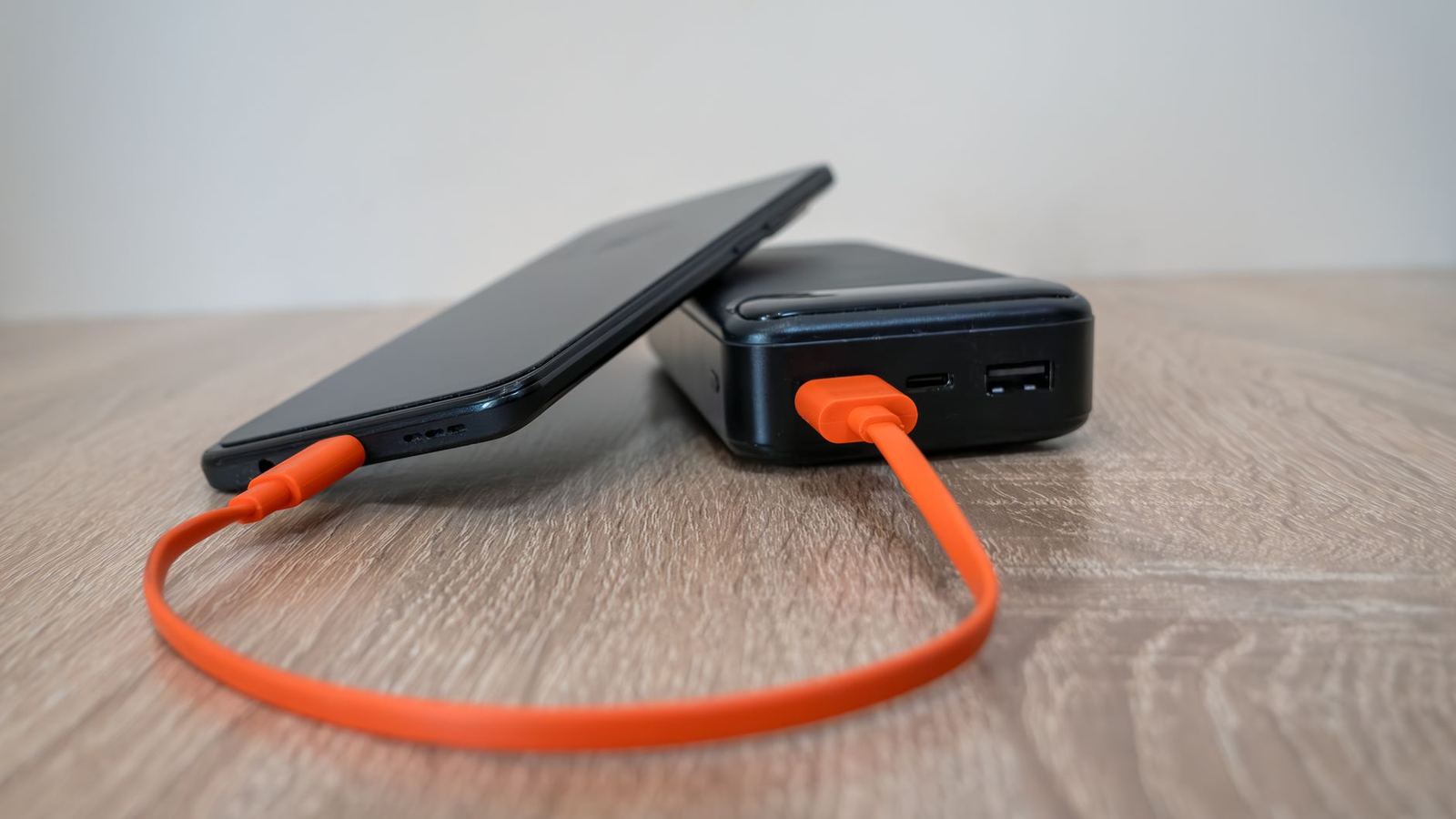
Bigger is not always better. Goods Across Borders lists most power banks under 27,000 mAh at 3.7 V as typically under 100 Wh, while large power banks of 30,000+ mAh may exceed it. If you travel often, a unit that stays under the limit saves you paperwork and risk.
What are the airline rules for power banks?
As of Travel Sentry’s 21 September 2026 article, power banks below 100 Wh are generally allowed, those from 100 Wh to 160 Wh need airline approval, and those above 160 Wh are not allowed. Because rules differ by carrier, treat this as the baseline, not the final word.
- Pack it in your carry-on. Travel Sentry says you should never place power banks in checked luggage.
- Stay within the spare-battery limit. Goods Across Borders gives a maximum of 2 spare batteries per passenger in the 100 Wh to 160 Wh band.
- Protect the terminals. The same source says terminal protection is required for all spare batteries to prevent short-circuit.
- Switch it off. In its 4 May 2025 article, Expert Reviews relays UK Civil Aviation Authority advice that power banks need to be switched off, not just in sleep mode.
Using a power bank in the air is a separate question. Expert Reviews reports that Singapore Airlines banned power bank use in-flight in March of 2025. As of Travel Sentry’s 21 September 2026 article, India’s Directorate General of Civil Aviation has banned both using and charging power banks in-flight on all routes, as Travel Sentry reports.
One more item deserves caution. An August item on InsideFlyer, relaying another site’s report, says that starting January 2027 power banks exceeding 100 watt-hours will be banned on passenger flights. That conflicts with the approval route above, so treat it as unconfirmed; a power bank under 100 Wh avoids the question.
The same Expert Reviews article quotes a Belkin regional director saying most airlines restrict power bank capacity to below 27,000 mAh, as of its 4 May 2025 publication. Check your airline’s own page before you fly.
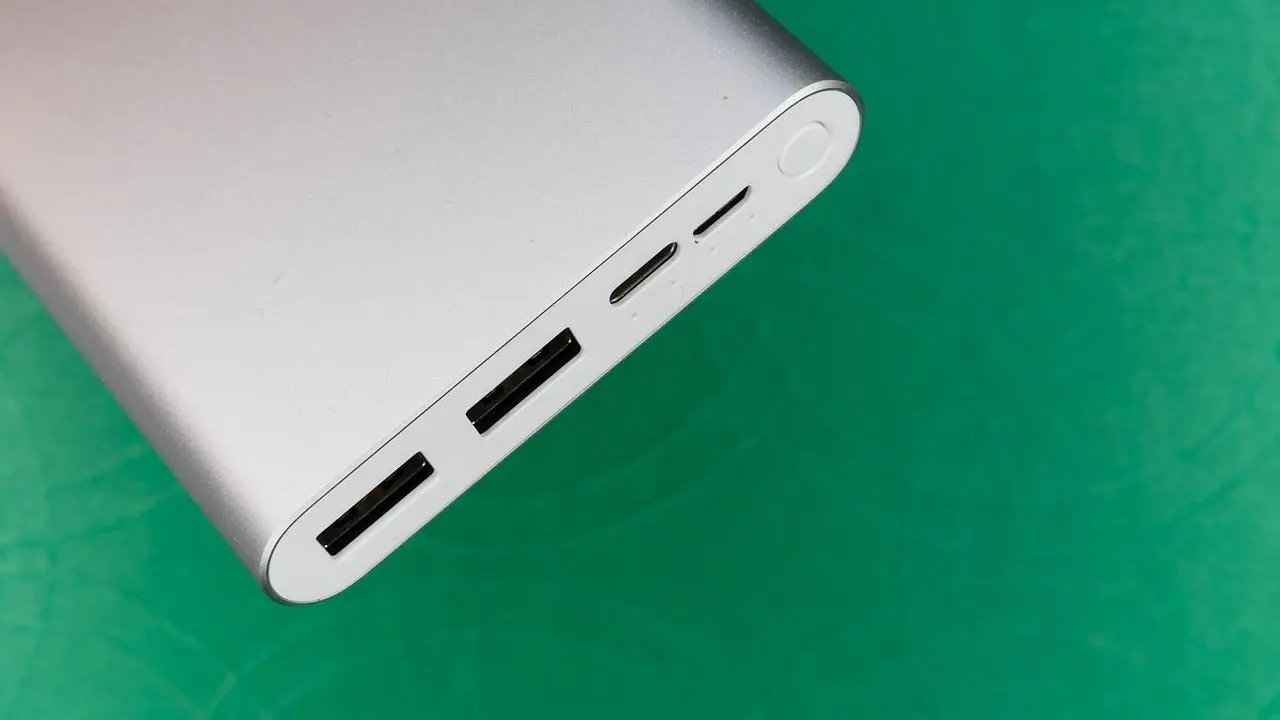
Check the ports, speed and charging method
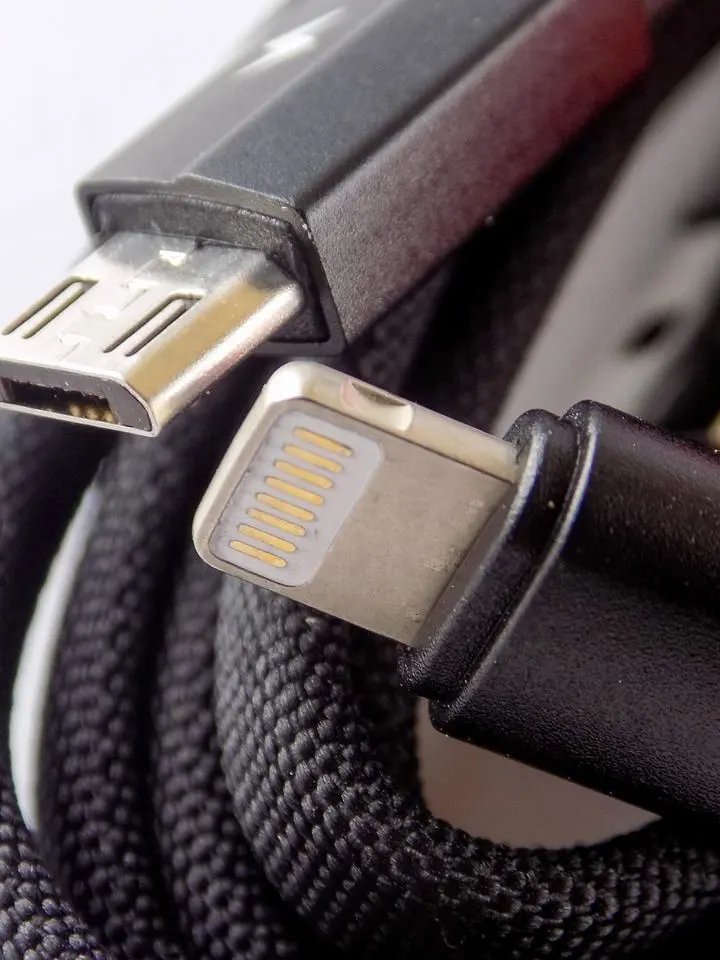
List what you need to charge: phone, earbuds, tablet, laptop. Then make sure the power bank has the right output ports for those cables, so you are not carrying adapters. Connector choice matters here, and our usb-c vs lightning comparison is a useful companion for deciding which cable standard your phone needs.
Speed matters in both directions. Expert Reviews advises choosing a power bank that will charge your devices at their maximum rate and let itself be charged as quickly as possible. That shortens the time you need to rely on it, for example between flights.
Some models also charge wirelessly. If that appeals, the wireless charging vs wired charging comparison sets out the trade-offs before you commit to a design.
Safety marks and red flags to avoid
Power banks contain lithium-ion batteries, which Travel Sentry says can overheat and enter a dangerous state called thermal runaway. That is why it pays to buy carefully.
- Look for safety markings. The Belkin director quoted by Expert Reviews recommends a reputable brand from a reputable retailer, with markings like the CE or UKCA mark.
- Keep the label readable. If the labeling is worn off or inadequate, making the capacity hard to confirm, you may be asked to leave the power bank behind.
- Avoid removable batteries. Expert Reviews notes they increase the risk that something can go wrong.
- Retire damaged units. Cracked casings or loose ports are a safety hazard.
Swollen, cracked or leaking batteries must not be transported on any aircraft, according to Goods Across Borders. The same page says the US Consumer Product Safety Commission (CPSC) and the UK Office for Product Safety and Standards (OPSS) maintain online recall databases, so check yours before a trip.
A quick checklist before you buy
- Work out the Wh rating from the mAh and cell voltage.
- Decide whether you fly. If so, aim for a rating under 100 Wh.
- Match the output ports and charging speed to your devices.
- Confirm clear labeling and safety markings from a reputable seller.
- Check recall databases and your airline’s latest battery policy.
Frequently asked questions
Can I put a power bank in checked luggage?
Show answer
No. Travel Sentry says you should never place power banks in checked luggage; keep them in your cabin bag or personal item.
How do I convert mAh to Wh?
Show answer
Use Wh = (mAh × V) ÷ 1000, as given by Goods Across Borders. Use the cell voltage, not the 5 V USB output figure.
Can I use my power bank during a flight?
Show answer
It depends on the airline. Expert Reviews reports Singapore Airlines banned in-flight use in March of 2025, so check your carrier’s policy before you board.
What if my power bank is swollen or damaged?
Show answer
Do not fly with it.