Torn between a smartwatch vs fitness tracker? If you mainly want steps, sleep and heart rate, a tracker is cheaper and lasts longer; if you want apps, calls and payments on your wrist, choose a smartwatch.
This comparison sits inside our mobile accessories guide, which covers the add-ons and wearables that go with your phone.
| Item | Value |
|---|---|
| Fitness tracker battery life | At least 5 days, some up to a couple of weeks |
| Most smartwatches, battery life | About 2 days at best |
| Typical smartwatch display size | 40mm to 45mm |
| Best budget fitness trackers | Under £50 |
| Fitbit Charge 6 (premium tracker) | Typically under £140 |
These figures come from What’s the Best’s comparison guide, updated 18 April 2024. Prices and battery life change with every new model, so check the source before you rely on them.
What is the difference between a smartwatch and a fitness tracker?
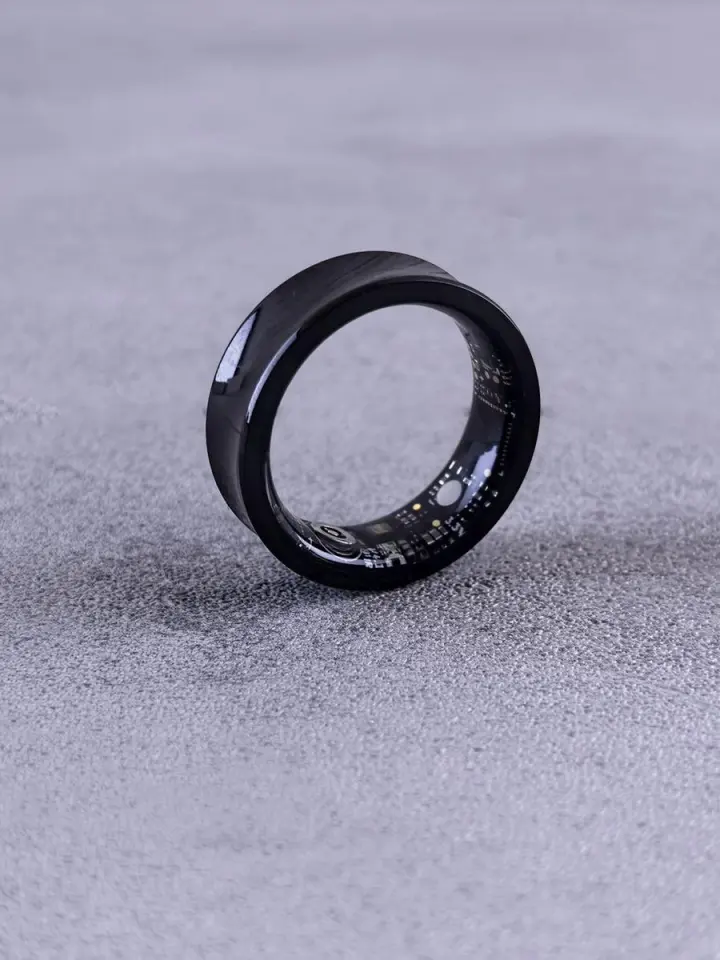
A fitness tracker almost exclusively tracks your fitness, according to What’s the Best’s April 2024 update. It monitors metrics such as step count, heart rate and sleep quality. Trackers also tend to be smaller and lighter than a smartwatch, with a lozenge or pill-shaped design and a small screen.
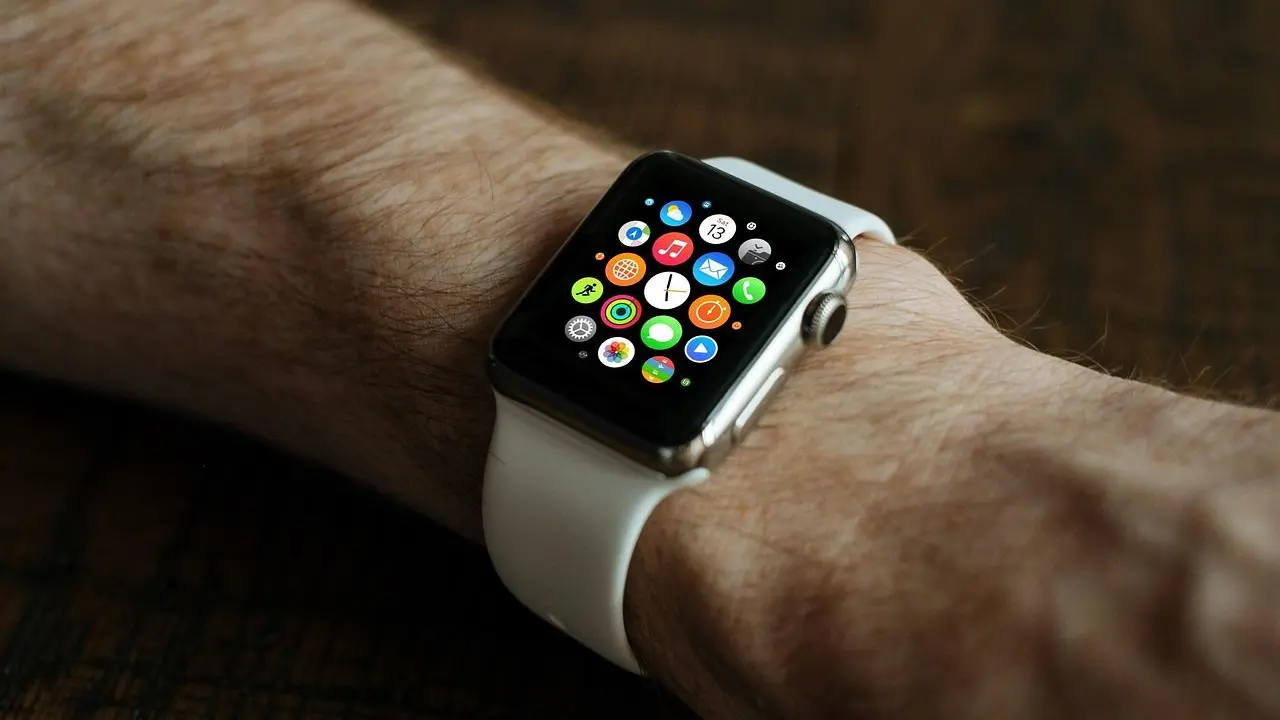
A smartwatch looks like a traditional watch, with a round or square display usually sized between 40mm and 45mm. It offers the same kind of health tracking, plus extras such as apps, contactless payment and music playback. Some models even let you make and receive calls from your wrist.
The line between the two is blurring. A TechTalks guide from December 2021 described a convergence of the two device types, with trackers gaining larger screens and phone notifications.
Features compared: apps, GPS and notifications
Most of the real differences show up in what the device can do beyond counting steps. Here is where they part ways, based on What’s the Best’s guide:
- Apps: smartwatches offer a wide range of apps, while fitness trackers don’t allow users to add any additional apps or features beyond what’s already on them.
- Notifications: most trackers alert you to phone notifications, but this is often extremely limited. Smartwatches let you read and respond to messages.
- GPS: most smartwatches have some form of built-in GPS. Many trackers rely on connected GPS, so your phone must supply the GPS data via Bluetooth.
- Calls: some smartwatches have their own cellular connection, usually with an eSIM that requires its own subscription.
- Water resistance: most modern devices of both types handle a dip in the pool, but a few smartwatches, such as the Apple Watch Ultra, are suitable for scuba diving to 40 metres.
Connected GPS is less precise and means you have to carry your phone on every run. A few trackers, such as the Fitbit Charge 5, do include their own GPS.
Health tracking is closer to a draw. Both types now measure heart rate, sleep, blood oxygen, stress and menstrual cycle, and smartwatches add extras such as the ECG on the Apple Watch Series 9. As a rule of thumb, if a feature exists on a tracker you can probably expect it on a smartwatch too.
Accuracy depends more on your wrist than on the label. Advnture’s September 2023 feature notes that both kinds of device carry an optical heart rate sensor, but no sensor will ever be perfect because skin tone, thickness and wrist size differ.
Battery life and charging
Battery life is where trackers win most clearly. Smaller displays and fewer apps mean a tracker should give you a minimum of five days, and some stretch to a couple of weeks, as What’s the Best reports. Most smartwatches get two days at best.
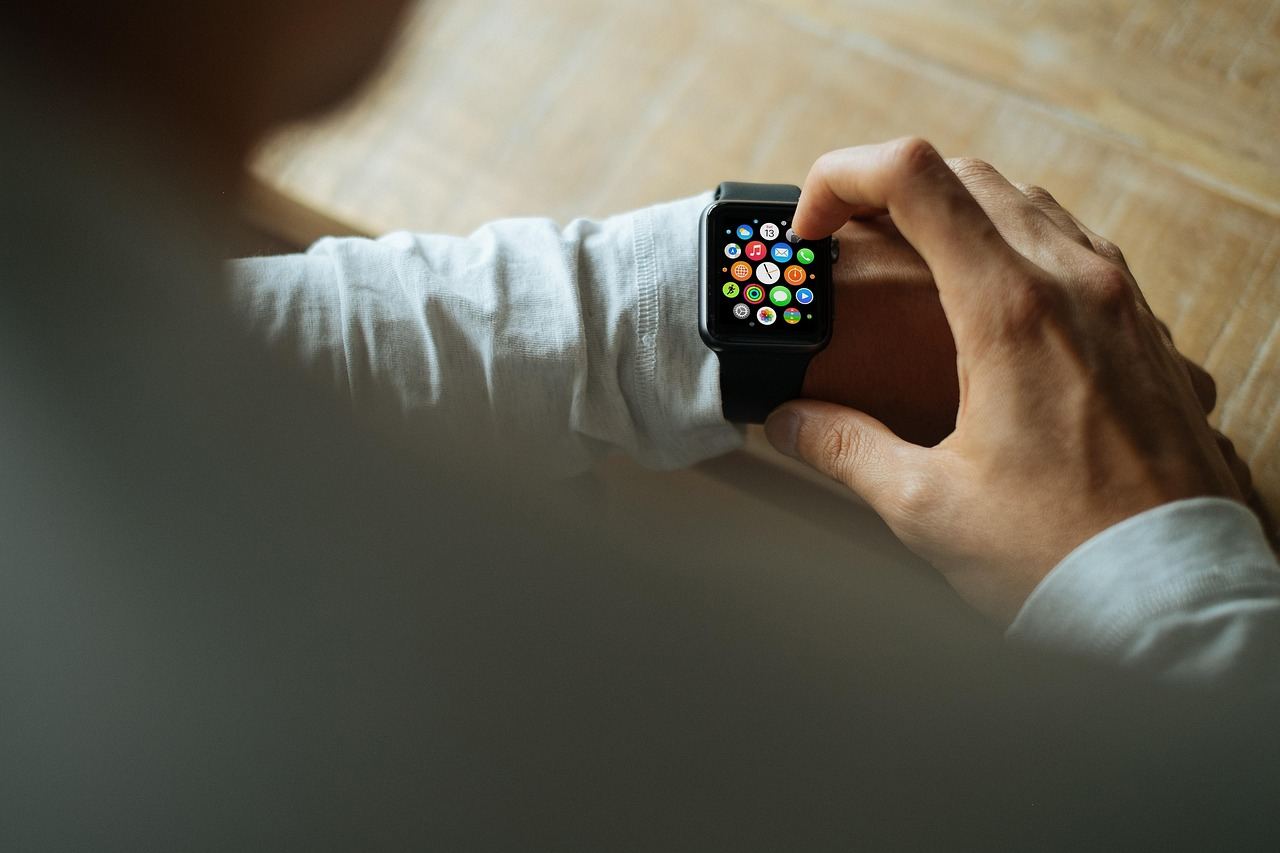
There are exceptions in the same guide. The Apple Watch Series 9 struggles to go longer than a day, while the Apple Watch Ultra lasts around three days and some Garmin watches last well over a week. Turning on GPS tracking drains any device faster.
Fit&Well’s 2021 guide makes the same trade-off point: advanced features can often come at the expense of battery life. A smaller battery also means a tracker generally charges more quickly.
Price: what you pay for each
Trackers sit at the low end. What’s the Best says some of the best budget trackers cost under £50, and even a premium model like the Fitbit Charge 6 will typically cost under £140.
Older guides show the same pattern. Fit&Well, published 15 August 2021, said trackers can be as affordable as $40/£30.
Sports watches stretch much higher. Advnture’s 2023 feature put the Fitbit Inspire 3 under $100, many good running watches at $300 to $400 (such as the Garmin Forerunner 265), and the Garmin Enduro 2 at $1200 full price.
These prices come from different dates, currencies and device classes, so treat them as a pattern rather than a quote. Check a current listing before you buy.
Which one should you buy?
Start with how you will actually use it, not with the longest feature list. Choose a fitness tracker if most of these sound like you:
- You mainly want steps, heart rate and sleep data.
- You don’t want to charge a device every night.
- You want to spend less and keep things simple.
- You are happy to carry your phone for GPS.
Choose a smartwatch if these fit better:
- You want to read and reply to messages without pulling out your phone.
- You want apps, music playback or contactless payment on your wrist.
- You want built-in GPS and a wider choice of styles.
- You accept charging every day or two.
Keep in mind that more features are not always better. The Advnture feature warns that a watch with a long list of functions can be confusing, and there’s a decent chance you won’t use half of them.
If what you really want is to find lost keys rather than count steps, read how do bluetooth trackers work to see how a different kind of tracker operates. And if you plan to film your runs or rides on your phone, our guide on how to use a phone gimbal covers steadier video.
Frequently asked questions
Is a smartwatch better than a fitness tracker?
Show answer
Neither is better for everyone. A smartwatch adds apps, calls and payments, while a tracker is simpler, cheaper and lasts longer between charges.
Which lasts longer on a charge?
Show answer
A fitness tracker usually does. What’s the Best says to expect a minimum of five days from a tracker, against two days at best from most smartwatches.
Do fitness trackers have their own GPS?
Show answer
Some do, such as the Fitbit Charge 5, but many rely on connected GPS. That means your phone supplies the location data over Bluetooth, which is less precise.
Can I install apps on a fitness tracker?
Show answer
No. Fitness trackers don’t allow users to add additional apps or features beyond what’s already on them, so you need a smartwatch if you want more than fitness tracking.